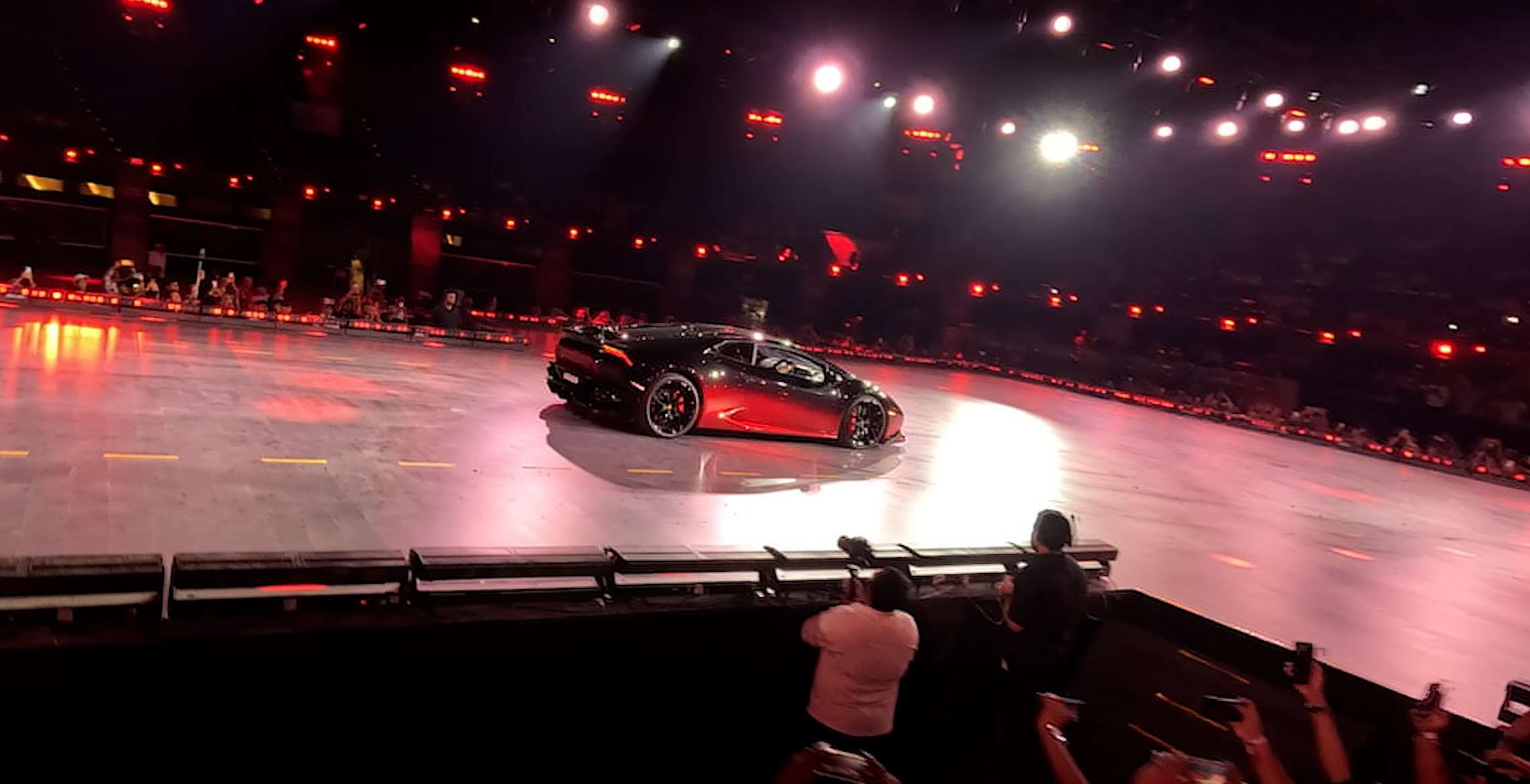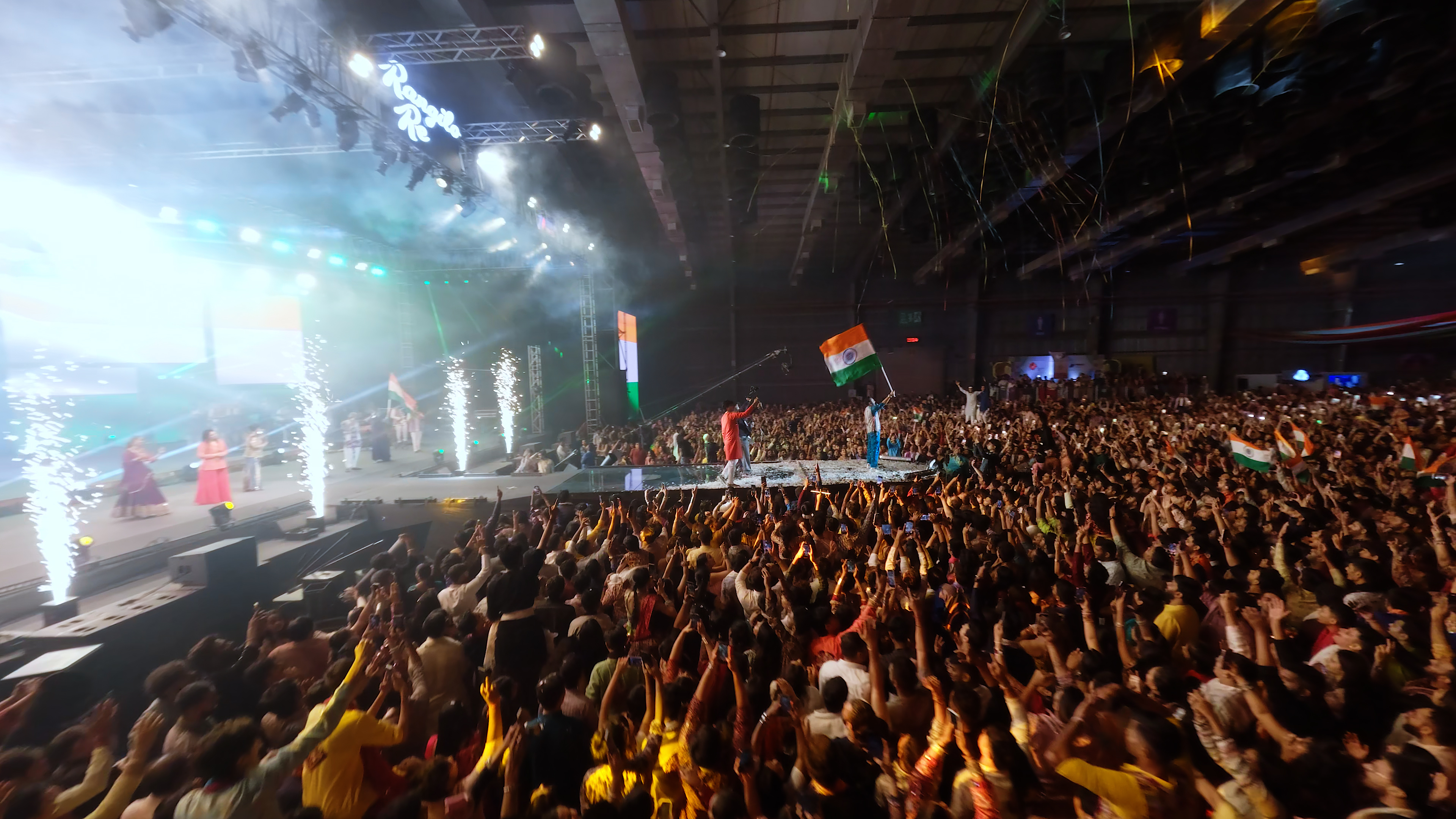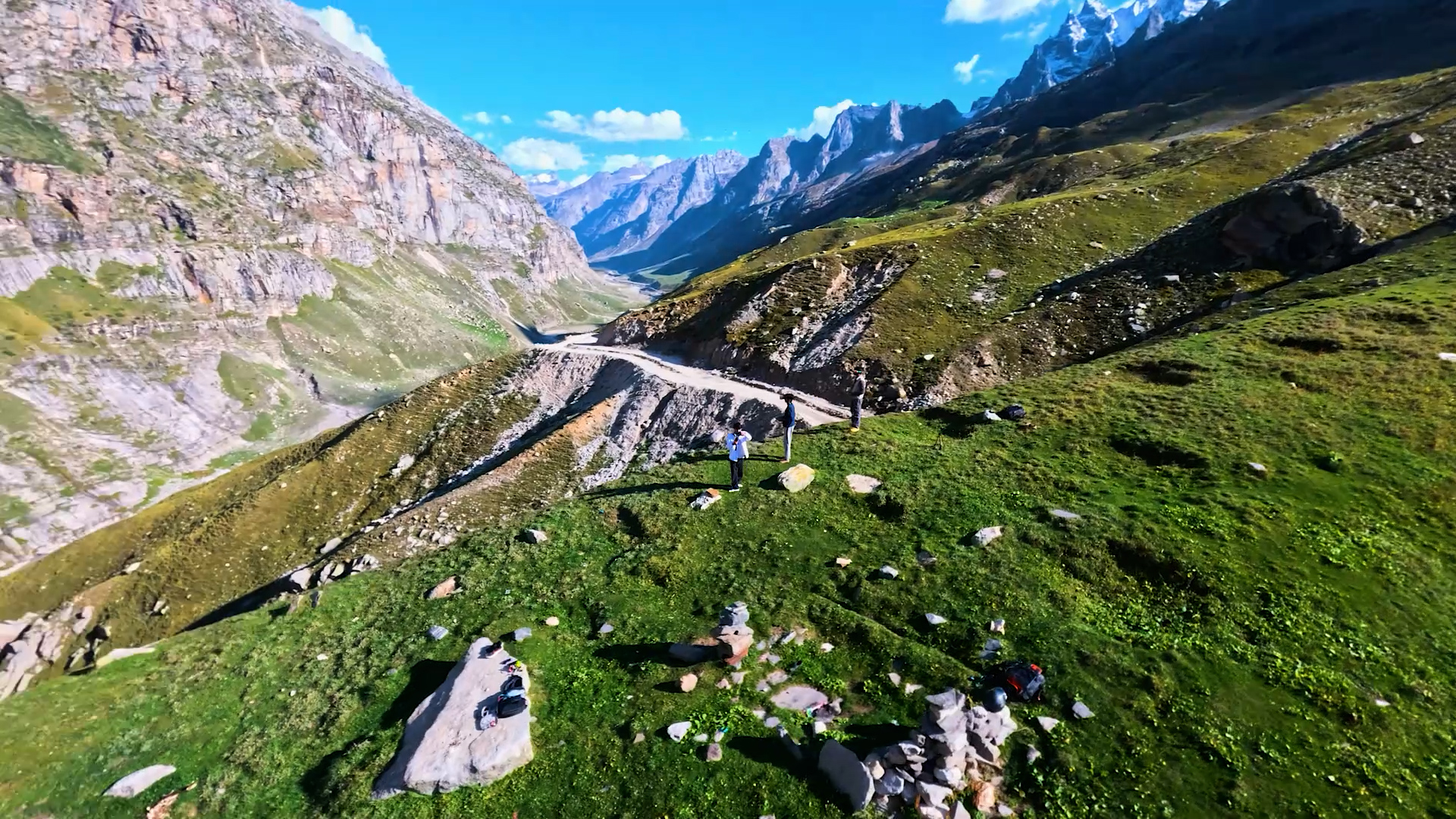
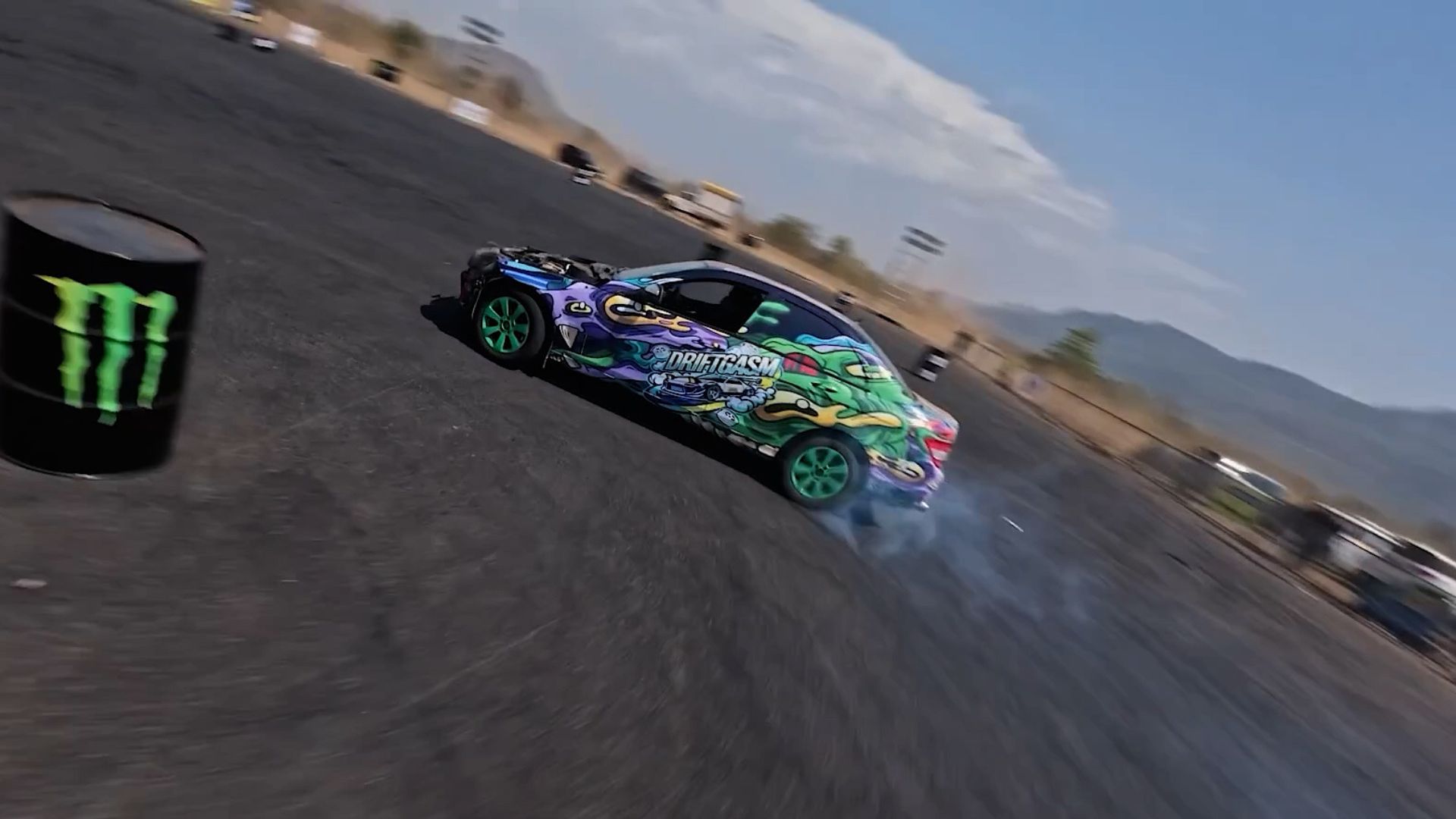
Five years ago, "drone shot" in an Indian production meant one thing: a slow, floating top-down view of a landscape or a wedding venue. Today, cameras dive off cliff edges, thread through festival crowds, chase drift cars at 180 km/h and fly out of a window in a single unbroken take. That shift has a name — FPV, or first-person-view flying — and India has become one of its fastest-growing markets.
What makes FPV different from a normal drone?
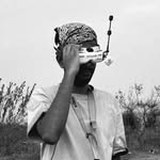
A conventional camera drone stabilises everything for you. It hovers on GPS, smooths every input, and is designed so the camera barely feels like it's flying at all. An FPV drone is the opposite philosophy. The pilot wears goggles that stream live video from the aircraft's nose, flying it in full manual mode — no GPS hold, no automatic braking, no safety net. The drone goes exactly where the pilot's hands take it, at whatever speed and angle the shot demands.
That difference is what you feel when you watch FPV footage. The camera doesn't observe a scene; it participates in it. It accelerates, banks, dives and brushes past obstacles the way a bird — or a stunt performer — would. For directors, that means motion that audiences physically respond to, and transitions that are impossible with cranes, gimbals, cable cams or traditional drones.
Why FPV exploded in India
Three forces converged. First, hardware became accessible: what once required importing parts and soldering everything by hand can now be assembled from components available domestically, and action cameras small enough to fly reached professional quality — 5.3K sensors weighing under 30 grams.
Second, audiences changed. Short-form video rewards the first two seconds of a clip more than anything else, and nothing hooks a viewer faster than a perspective they have never seen. Brands noticed that FPV reels routinely outperform conventionally shot content, and demand followed.
Third, regulation matured. The Drone Rules, 2021 replaced a near-total grey zone with a framework that made professional operation genuinely possible — licensed pilots, defined airspace zones, and a clear path to flying commercially and legally.
The rules of the sky: DGCA, licensing and permissions
Professional drone work in India is governed by the Directorate General of Civil Aviation (DGCA). The essentials every client should know:
- Remote Pilot Certificate (RPC): commercial pilots must be certified through a DGCA-approved training organisation.
- Airspace zones: India's Digital Sky platform divides the country into green, yellow and red zones — green permits routine operation, yellow needs clearance, red is off-limits.
- Location permissions: beyond airspace, shoots typically need landowner consent and, for public spaces, local authority approval.
- Insurance: third-party liability cover is strongly recommended for professional work — reputable operators carry it as standard.
For clients, the practical takeaway is simple: hiring a certified, insured operator isn't bureaucracy — it's what makes the difference between footage you can broadcast and footage that creates legal exposure.
The technology behind the shots
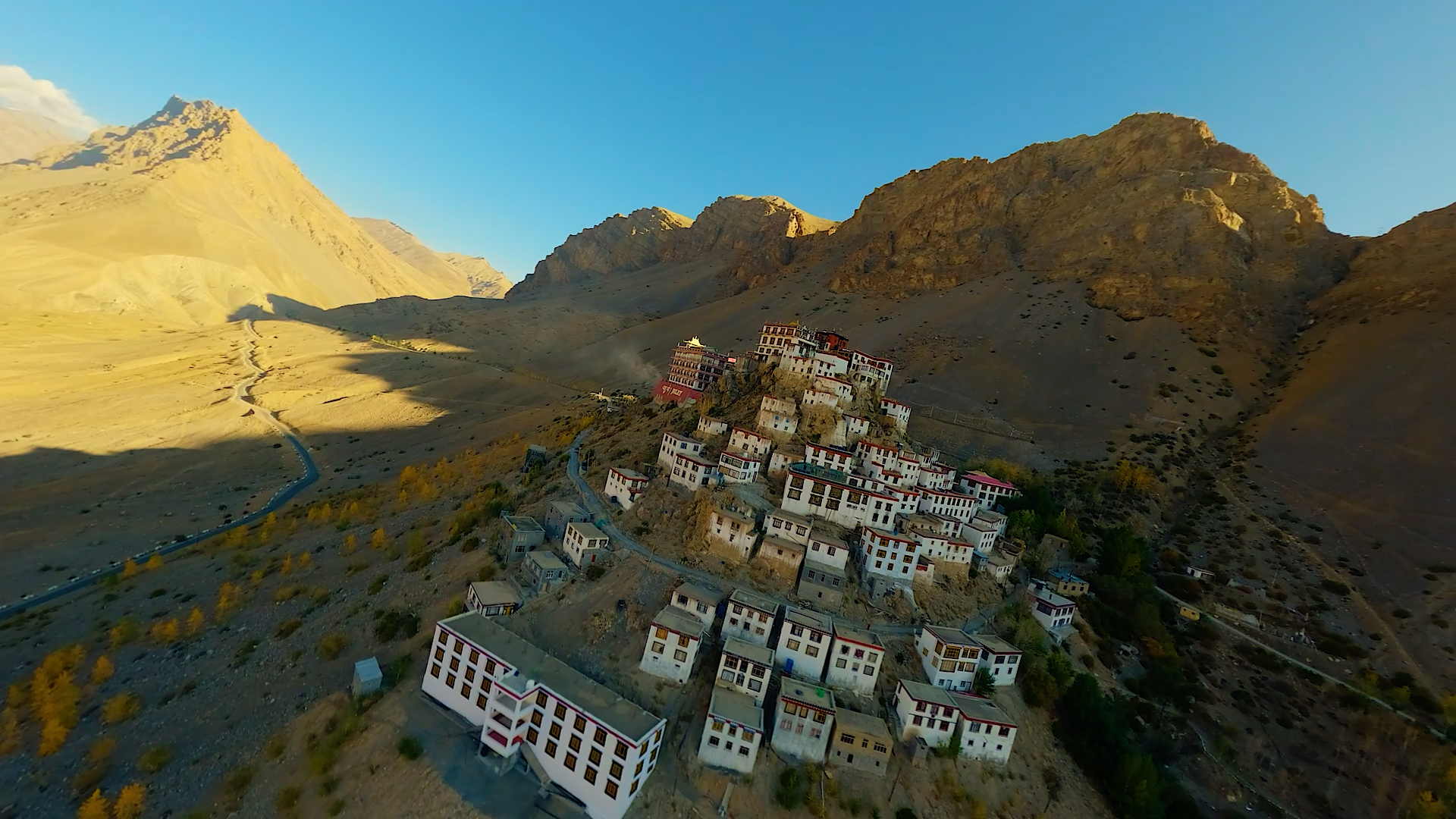
A modern cinematic FPV rig is a purpose-built machine. Frames are custom carbon fibre, tuned for the job: a featherweight 3-inch build for flying indoors between people, a long-range quad for Himalayan valleys, or a powerful 5-inch rig that keeps pace with race cars. On top rides the camera — typically shooting 5.3K in a LOG colour profile, giving editors the same grading latitude they expect from cinema glass, with 240 fps slow motion available for high-speed work.
Just as important is what happens before takeoff. Serious FPV work is rehearsed: routes are walked, simulated and flown in practice runs until the pilot can commit the entire path to muscle memory. The famous "one-take" FPV videos you've seen are rarely lucky — they're choreographed.
Where FPV is being used today
The spread of use cases in India tells the story of the format's maturity:
- Film and OTT: chase sequences, oners and establishing shots that used to need helicopters and cranes.
- Automotive and motorsport: launch films and race coverage where the camera stays inches from moving vehicles.
- Events and concerts: single continuous flights through venues and crowds that make audiences part of the spectacle.
- Real estate and hospitality: "walkthrough" flights that travel from the gate, through the property, and out over the view in one shot.
- Travel and tourism: state tourism boards and creators using dive shots and valley runs to sell landscapes emotionally.
How to choose an FPV team for your project
Because the format is young, capability varies enormously. Questions worth asking any operator: Are your pilots DGCA RPC certified? Do you carry insurance? Can you show full-resolution footage, not just Instagram compressions? How do you plan and rehearse a shot? What happens if weather turns? A professional team will have crisp answers to all five — and will usually insist on a recce and rehearsal time rather than promising to "wing it" on the day.
The best FPV shot on your storyboard is only as good as the planning behind it. Precision is a process, not a personality trait.
Where Indian FPV goes next
Expect three trends to define the next few years. Payloads keep shrinking while sensors improve, so full cinema-camera FPV — already common in Hollywood — is arriving on Indian sets. Virtual production and pre-visualisation are making rehearsals even more precise. And as more certified pilots enter the industry, FPV is shifting from a speciality add-on to a standard line item in production budgets, the way gimbals did a decade ago.
For brands and filmmakers, the message is that the window for "nobody's seen this before" is open right now. The teams who use it well are the ones treating FPV not as a gimmick, but as a storytelling tool with its own grammar.
FAQ
Is FPV drone filming legal in India?
Yes — when flown by a DGCA-certified pilot, within permitted airspace zones, and with the required location permissions in place.
Is FPV footage stable enough for commercial work?
Modern stabilisation combined with 5.3K capture delivers broadcast-ready results — the dynamic motion is a creative choice, not a compromise.
How is FPV priced compared to regular drone work?
FPV typically involves more planning, rehearsal and specialised equipment, so it's quoted per project based on complexity rather than per hour of flying.
Conclusion
FPV in India has crossed the line from novelty to necessity. The combination of accessible technology, a clear regulatory framework and audiences hungry for immersive perspectives has created a genuine new discipline within Indian cinematography — one where the camera finally moves the way imagination does. If your next project needs motion that stops the scroll, the sky is no longer the limit. It's the location.
READY TO PUT THIS IN YOUR NEXT FILM?
Tell us your vision and we'll build a shot list that defies gravity.
Start a Project